
Pippa Byng

About Pippa Byng
Posts by Pippa Byng:



“Anxiety is Ruining My Life” – You’re Not Alone
Anxiety is Ruining My Life: You’re Not Alone
Anxiety. For some of us, it can seem to come out of nowhere, one minute you think you are doing fine, the next you are noticing your mind is racing, your body is restless, you feel sweaty and like you want to be anywhere else but where you are. For others, anxiety is a constant companion, worries constantly playing over and over again in your mind, that you cannot seem to stop. However you are experiencing anxiety, it can feel debilitating and like it is ruining your life. It can seriously affect our ability to be present in relationships, can prevent us from socialising or going to work, and have a very real impact on our lives, preventing us of being able to feel relaxed, joyful or peaceful.
Whilst we know that anxiety is a common and natural, and that anxiety is an evolutionary response to threats we may have experienced long ago, at GCS we also know that feeling unable to get hold of your anxiety can feel frustrating, demoralising and leaves us feeling ‘is this ever going to get better?’.
You might be experiencing a range of symptoms, both physical and psychological. Physically, you might notice things like a racing heart, shortness of breath, sweating, trembling, nausea, dizziness, or headaches. Psychologically, you might struggle with constant worry, difficulty concentrating, irritability, restlessness, feeling overwhelmed, or even a sense of impending doom. These symptoms can be incredibly distressing, and it’s understandable to feel like anxiety is taking over your life.
It’s important to remember that you are not weak, and you are not failing. Anxiety disorders are real medical conditions, just like any other illness. They are not a character flaw or a sign of weakness. They are often caused by a combination of factors, including stressful events that have happened to us, putting pressure on ourselves to be ‘strong’ or feeling overwhelmed by our feelings and emotions. Understanding this can be the first step towards breaking down the stigma surrounding mental health and seeking the help you need.
Steps you can take
So, what can you do if anxiety is ruining your life? The good news is that there are effective treatments available. Here are some steps you can take:
-
Acknowledge and Validate Your Feelings: Don’t try to brush your anxiety under the rug or tell yourself to “just calm down.” Acknowledge that your feelings are real and valid. Allow yourself to feel anxious without judgment. Being able to say to ourselves ‘right now I’m feeling anxious about this situation and so I’m going to take care of myself’ can stop us from criticising ourselves for feeling anxious. Often, we can be our own worst critic. Journalling can be a great way to write down our feelings, helping to get thoughts and feelings out of our heads and onto paper.
-
Seek Professional Help: Talking to a mental health professional, such as a counsellor or therapist, is crucial. They can help you understand the root causes of your anxiety, develop coping strategies, explore other areas in your life that may be contributing to your feeling of anxiety, and providing you with a space to talk to someone who isn’t going to judge you for how you are feeling.
-
Practice Relaxation Techniques: Incorporating relaxation techniques into your daily routine can make a significant difference. Deep breathing exercises, mindfulness meditation, yoga, and progressive muscle relaxation can help calm your nervous system and reduce anxiety symptoms. There are many resources available online and through apps that can guide you through these practices.
-
Thinking about how our lifestyle can help: Certain lifestyle changes can also have a positive impact on anxiety. These include:
-
Regular Exercise: Physical activity is a natural mood booster and can help reduce stress and anxiety. Many people report feeling that exercise helps with their anxiety, whether that is a walk in the woods or going to the gym. Find a way to add in a way of exercising into your life that is enjoyable, so you are more likely to stick to it. Even 10-15mins a day can have a huge benefit.
-
Healthy Diet: Eating a balanced diet, avoiding excessive caffeine and alcohol, and staying hydrated can improve your overall well-being and reduce anxiety symptoms.
-
Sufficient Sleep: Getting enough sleep is essential for both physical and mental health. Aim for 7-8 hours of quality sleep each night. If you struggle getting to sleep or staying asleep due to your anxiety, try listening to calming sounds, or reading a book before going to sleep. Reducing screen time before is also known to help us fall asleep easier.
-
Connect with Others: Spending time with loved ones, engaging in social activities, and building strong relationships can provide support and reduce feelings of isolation, which can exacerbate anxiety. A nice chat with a friend can take our mind off the things we are worrying about, giving us a much needed distraction and break from our anxiety.
-
Be Patient and Kind to Yourself: Overcoming anxiety is a journey, not a destination. There will be some good days and also bad days or moments. Be patient with yourself, celebrate small victories, and don’t get discouraged by setbacks. Remember that healing takes time and effort, and each person needs to find what helps them most in managing their anxiety.
-
Remember You Are Not Alone: Many people experience anxiety, and there are lots of resources available to help. Connecting with support groups or online communities can provide a sense of belonging and understanding. Sharing your experiences with others who understand can be incredibly useful in helping us to feel less alone with it. We can also hear from others to find out things they have tried to make them feel less anxious.
If you’re feeling overwhelmed and like anxiety is ruining your life, please reach out to us for help. You don’t have to suffer in silence or feel that you should be able to ‘just deal with it’. Many people are struggle with anxiety exactly as you are, and many people find ways to manage their anxiety so that they can feel like it no longer runs their life. Take the first step today, and begin your journey towards a calmer, more fulfilling life.
Seasonal Affective Disorder (SAD)
Seasonal Affective Disorder (SAD)
Feeling the Winter Blues? How Counselling Can Help with SAD
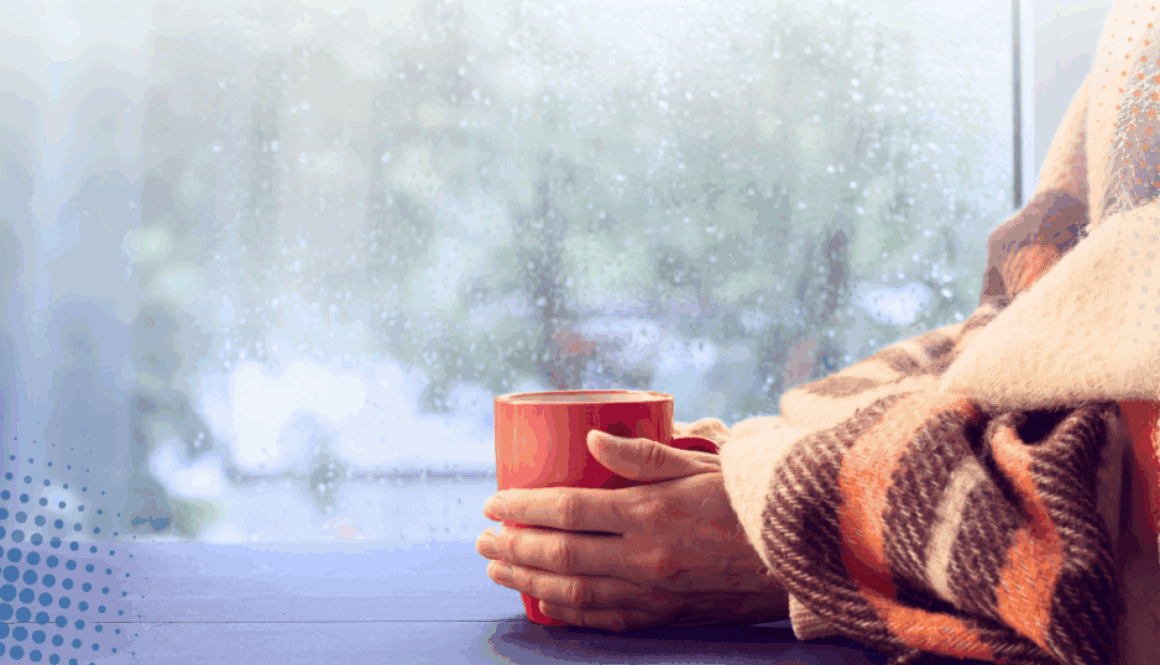
Seasonal Affective Disorder (SAD), often called the “winter blues,” is a type of depression that occurs during specific seasons, typically winter. Although people can think it is just a bit of a low mood, Seasonal Affective Disorder can have a very real and negative effect on people, causing serious low mood and depression. If you find yourself experiencing low mood, fatigue, and a lack of interest in activities during the colder months, you might be struggling with SAD.
What is SAD?
SAD is believed to be linked to reduced exposure to sunlight, which can disrupt your body’s natural production of melatonin and serotonin. These hormones play crucial roles in regulating mood, sleep, and appetite.
When we have depression or low mood through Seasonal Affective Disorder, this can significantly impact a person’s life in various ways, including their relationships. When someone is experiencing low mood, they may withdraw socially, becoming less engaged and responsive to others. This can strain relationships with friends, family, and partners. Irritability and increased sensitivity to criticism, common symptoms of low mood, can lead to frequent arguments and conflicts.
Furthermore, low mood can diminish a person’s enjoyment of activities they previously found pleasurable, impacting their ability to connect with others through shared experiences. This isolation and emotional distance can further exacerbate feelings of loneliness and low self-esteem, creating a cycle that negatively impacts both the individual and their relationships.
How can Counselling Help?
You do not need to suffer with the impact of SAD alone. While light therapy is often recommended for SAD, counselling can be a valuable complementary treatment. Here’s how:
-
Identifying Triggers: Counselling can help you pinpoint the specific factors that trigger your SAD symptoms. This could include social isolation, changes in routine, or specific environmental factors, all of which can have a huge impact on our feeling of mental wellbeing.
-
Developing Coping Strategies: Therapists can equip you with practical coping mechanisms to manage low mood, such as:
-
-
Mindfulness and relaxation techniques: These can help you manage stress and anxiety associated with SAD.
-
Improving sleep hygiene: Counselling can help you establish healthy sleep patterns, which can significantly impact your mood.
-
Social support: Therapists can encourage you to connect with others and build a strong support network.
-
-
Lifestyle Adjustments: Counselling can help you make lifestyle changes that can improve your mood, such as:
-
-
Increasing physical activity: Even short walks in daylight can have a positive impact on your mental well-being.
-
Improving your diet: Ensuring you’re getting enough vitamin D and other essential nutrients can boost your mood.
-